-

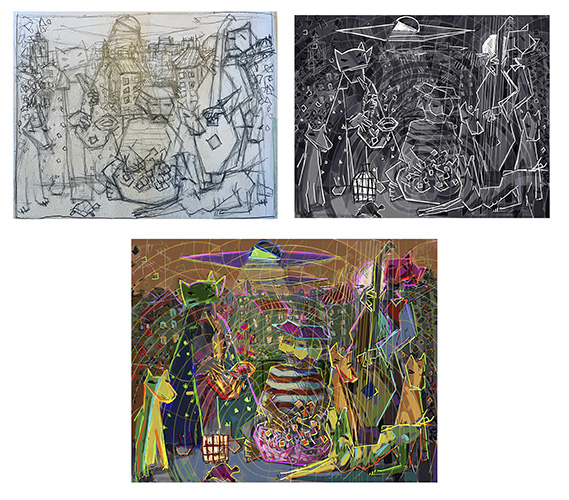
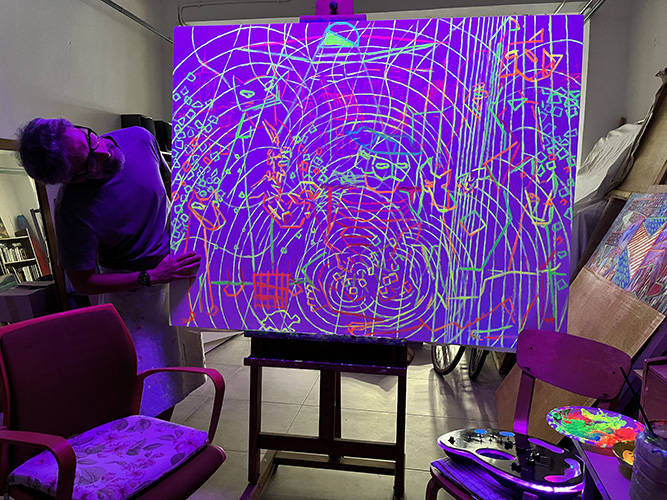
Boceto de cuadro. -
-
Boceto de cuadro. -
Proceso de bocetaje. -
-
-
-
-
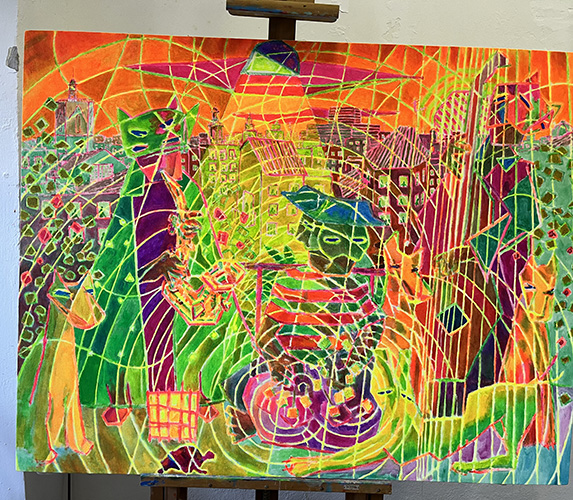
Procesos. Trabajo de capas -
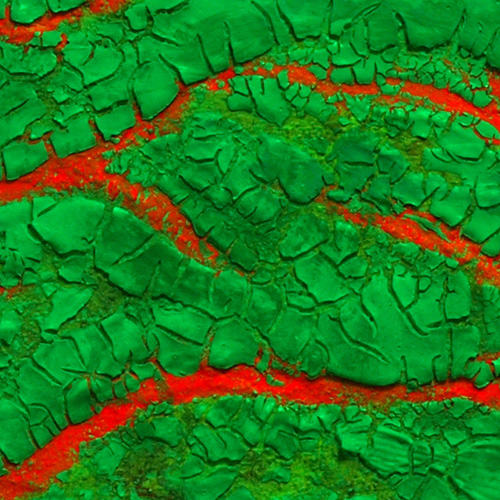
Detalle de texturas -
-
Detalle de texturas -
-
-
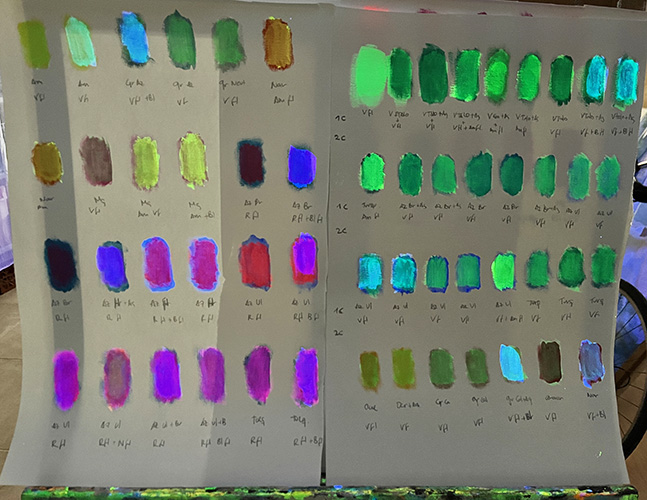
2025. Análisis cromático. -
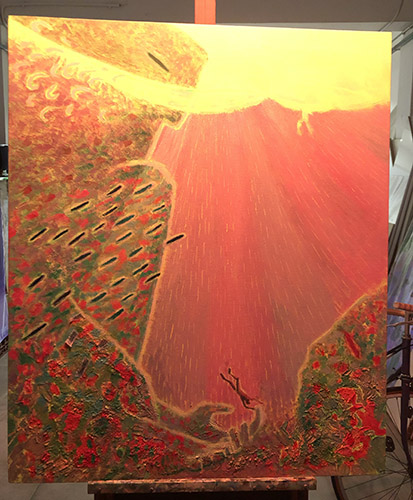
2024.Detalles. Cuadro. Un instante -
-
Controlador de luz. La orella -
Notación de iluminación. Bellod (2025) -
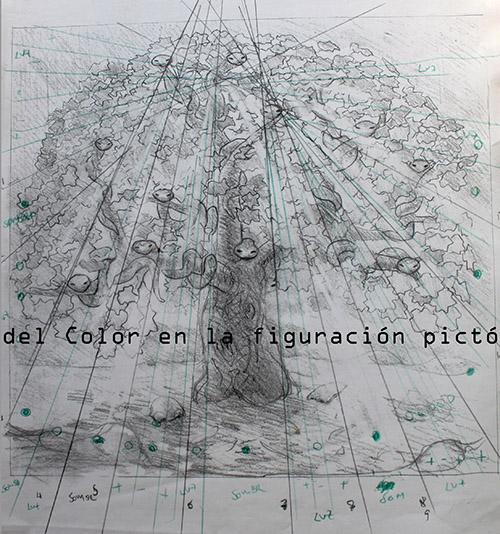
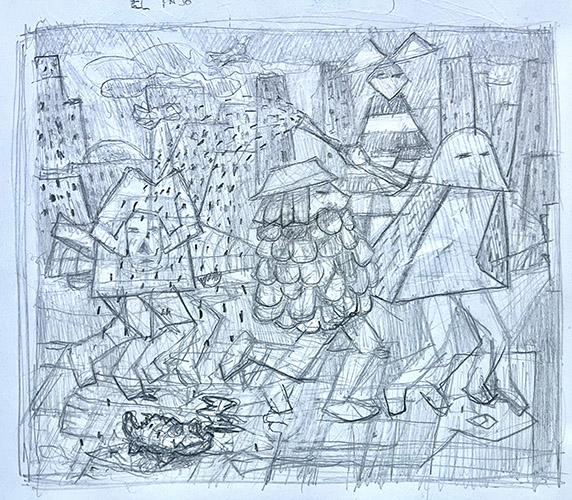
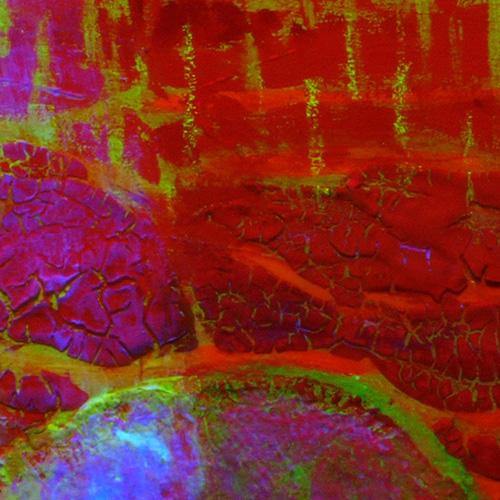
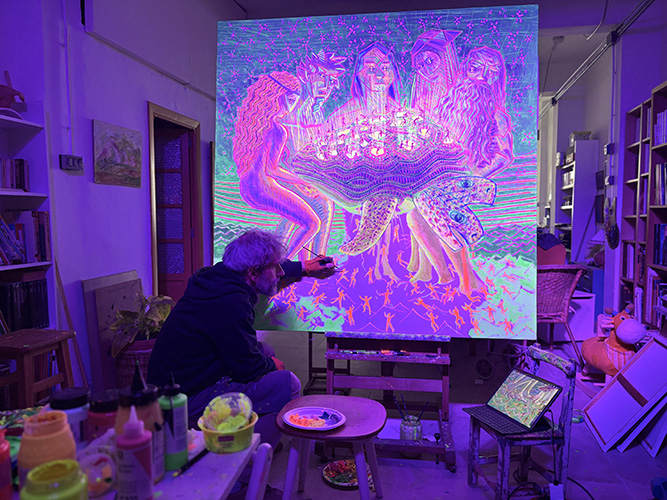
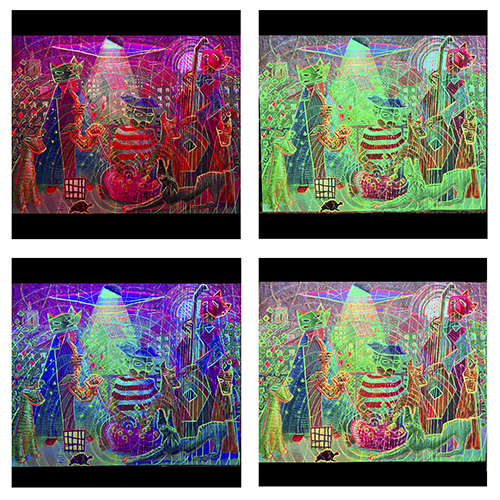
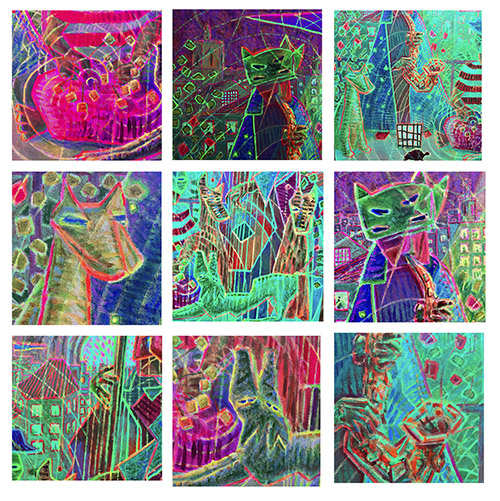
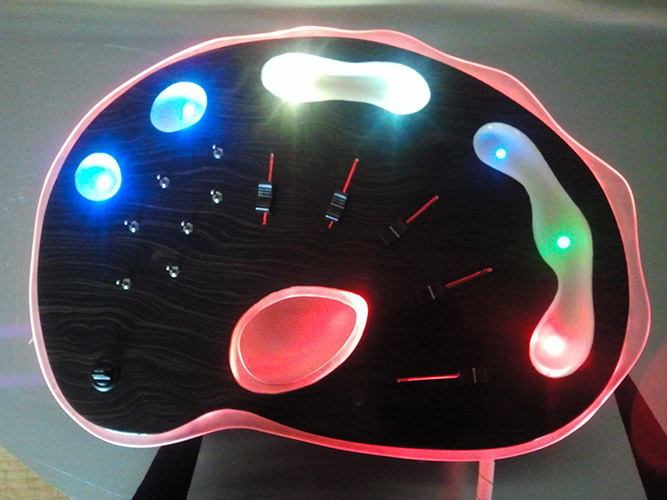
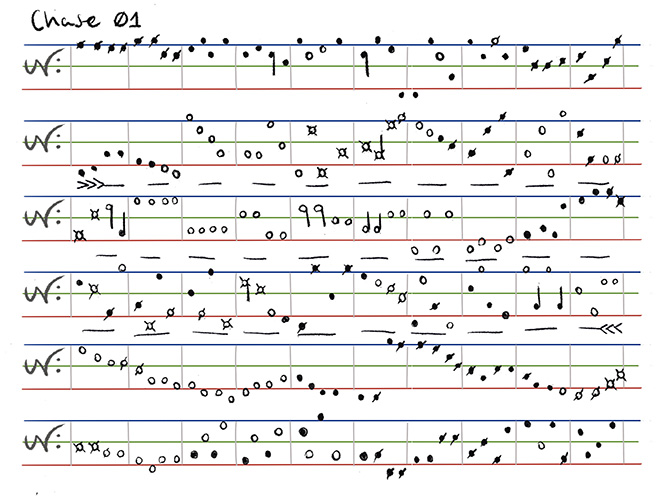
Boceto de cuadro. Boceto de cuadro. Proceso de bocetaje. Procesos. Trabajo de capas Detalle de texturas Detalle de texturas 2025. Análisis cromático. 2024.Detalles. Cuadro. Un instante Controlador de luz. La orella Notación de iluminación. Bellod (2025)
PROCESS
Drawing reveals the DNA of the work.
It marks the impulse, the rhythm, the composition, and the identity of what begins to emerge.
Everything starts there.
Before colour.
Before matter.
Drawing does not represent: it structures.
It does not decorate: it decides.
It is where the first tensions and the first silences appear.
In drawing, the figure is not rehearsed: it reveals itself.
When it appears, it is already definitive.
From that moment on, the entire process remains faithful to that first truth.
I draw to listen to what the work wants to become.
I draw to remove what interferes.
Paper allows doubt.
The canvas demands clarity.
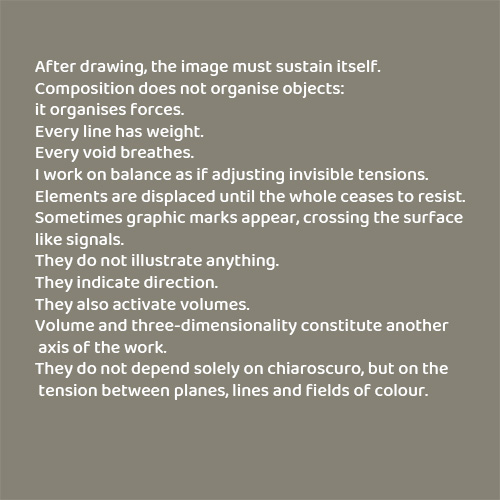
After drawing, the image must sustain itself.
Composition does not organise objects: it organises forces.
Every line has weight.
Every void breathes.
I work on balance as if adjusting invisible tensions.
Elements are displaced until the whole ceases to resist.
Sometimes graphic marks appear, crossing the surface like signals.
They do not illustrate anything.
They indicate direction.
They also activate volumes.
Volume and three-dimensionality constitute another axis of the work.
They do not depend solely on chiaroscuro, but on the tension between planes, lines and fields of colour.
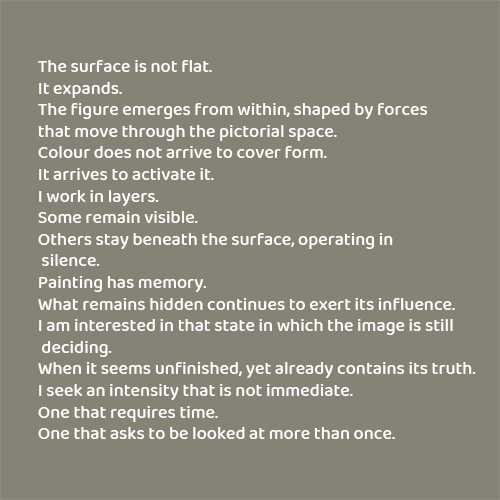
The surface is not flat.
It expands.
The figure emerges from within, shaped by forces that move through the pictorial space.
Colour does not arrive to cover form.
It arrives to activate it.
I work in layers.
Some remain visible.
Others stay beneath the surface, operating in silence.
Painting has memory.
What remains hidden continues to exert its influence.
I am interested in that state in which the image is still deciding.
When it seems unfinished, yet already contains its truth.
I seek an intensity that is not immediate.
One that requires time.
One that asks to be looked at more than once.
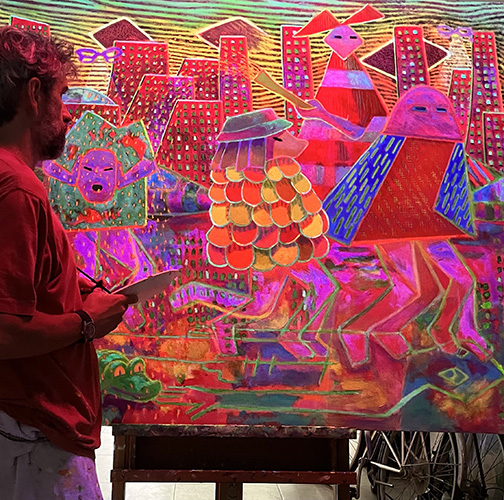
During the process, light functions as a form of dissection.
It is analysis.
It fragments the image and tests its harmonies.
Under different chromatic modulations, relationships tighten or stabilise.
Light allows me to understand whether I am constructing a stable plane or a visual polyhedron.
A chromatic polyhedron in which each face responds differently according to the angle of incidence.
Nothing can sustain itself in isolation.
Every variation must confirm the whole.
⸻
Once the system consolidates, lighting ceases to be a critical instrument and becomes sequence.
It is not an isolated change, but a chain of illuminations conceived in relation to one another.
I work with alternation, successive contrast, and transitions between temperatures and saturations.
Each state prepares the next.
Repetition and visual rhythm generate a perceptual conditioning.
The gaze enters a state.
It adapts.
It expands.
To construct these sequences I develop a system of notation.
I record intensities, durations, transitions and chromatic relations as if composing a score.
The notation does not describe the image: it organises its breathing.
It allows me to anticipate how light will affect volume, colour and the emotional state of the whole.
Lighting does not merely reveal the painting.
It choreographs the experience.
Bellod’s work develops through processes in which painting is understood as a structure in construction. Drawing, spatial organization and the relationship between elements form a system in which the image is progressively articulated.
In this context, each decision responds to a balance between the technical and the perceptual, resulting in a practice in which the work is constructed through the relationship between its parts.